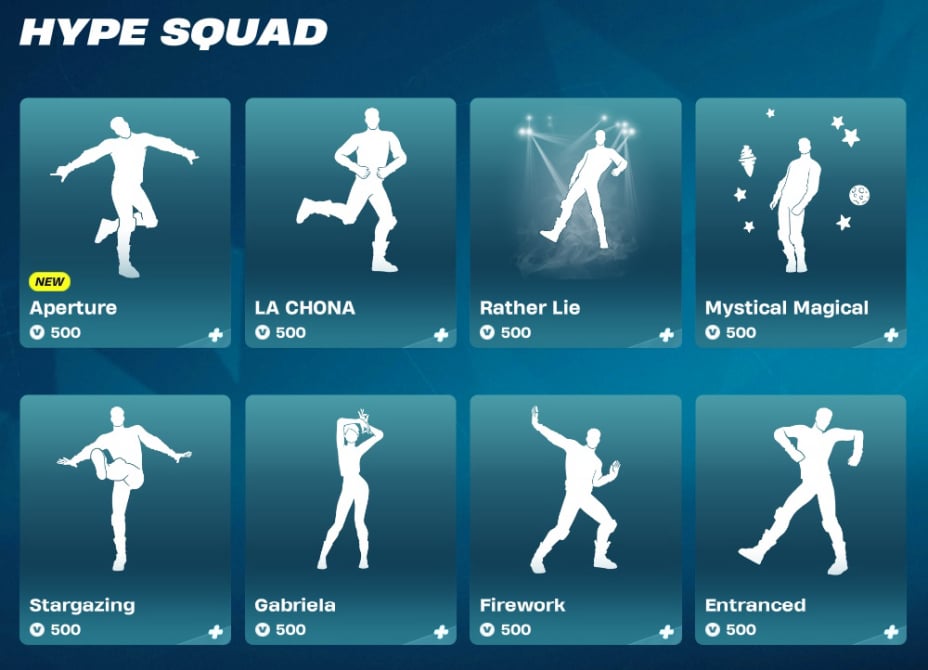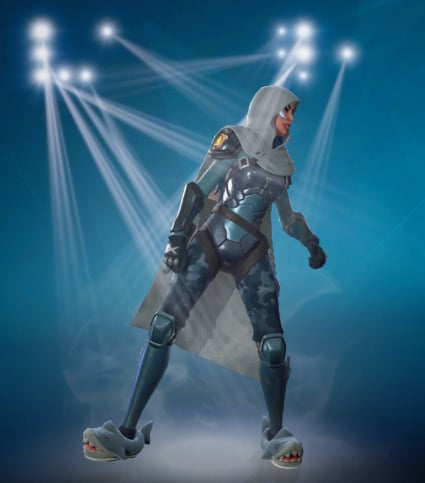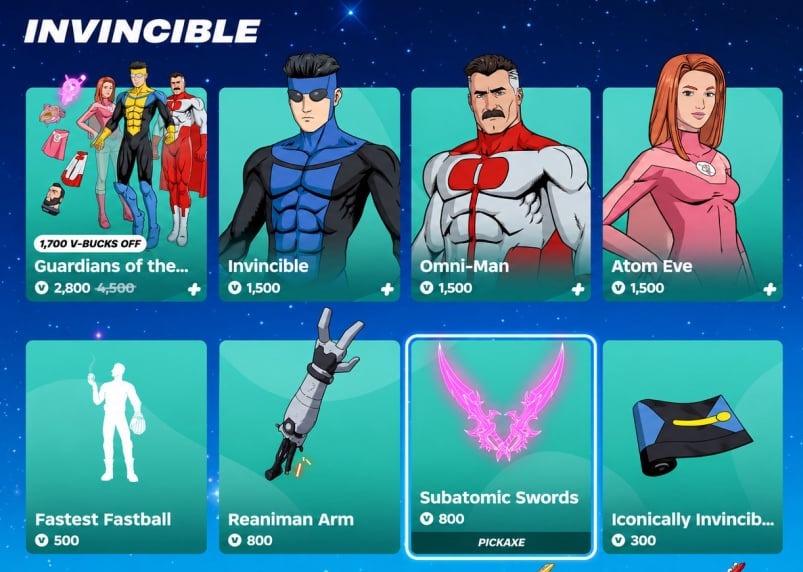
Fortnite has a few different ways of talking about cosmetics that sometimes overlap. An outfit name points to a specific item, a series groups related designs, and a style marks a variation. The old rarity color labels were a different system entirely. We treat these as separate pieces of information, not interchangeable labels. That matters when you’re looking at older screenshots, release posts, or character collections.
On April 9, 2024, Epic retired the old color tiers and quality tags with update v29.20. Cosmetic series stayed. Older screenshots still show the previous interface, so a colored background in an archive image is just a historical label — not a measure of how many people own the skin today. Seeing a label doesn’t tell you the distribution. (Publisher announcement, April 9, 2024.)
How something first became available is its own piece of the story. A seasonal reward, an event drop, and a shop appearance each have different contexts. You also need to keep the base outfit separate from any extra styles. A picture of a whole collection doesn’t mean every item in it shared the same rules. Dates and details belong with the specific cosmetic, not just the image around it. A publisher’s announcement and a player’s screenshot are different kinds of evidence. One states conditions; the other just captures a moment. Neither is a count of how many lockers contain the item. When a release includes several cosmetics, one outfit’s conditions don’t automatically apply to every accessory next to it. Name, style, and event stay tied to the specific dated statement, and anything unconfirmed stays outside the description.

A solid reference entry sticks to identifiable facts and clear limits. These fields describe the item without pretending there’s a live link to the game. Unknowns stay unknown — we don’t fill gaps with estimated ownership numbers or assumed release conditions.
The published outfit name identifies the subject. Alternate spellings, character names, and collection labels don’t automatically mean extra items. A separate style stays attached to its documented base outfit.
The original context records where an outfit first appeared. A later return is another entry in that history. A release route is descriptive information, not a prediction about another appearance.
Additional styles sometimes have their own conditions. A base outfit and a restricted variation need separate descriptions. Looking similar doesn’t mean two styles share the same eligibility or distribution history.
A publication date places a statement in time. It’s different from an item’s release date and from the date of a screenshot. Historical descriptions keep those distinctions instead of treating every date as the same thing.
LockerSnow has no live locker data and no independently verified ownership census. Public information describes release conditions and documented events. It doesn’t tell you the exact number of current owners of any particular cosmetic.
This website uses only technically necessary cookies to ensure basic functionality and the correct display of the pages. No cookies are used for analytics, tracking, profiling, or advertising purposes.