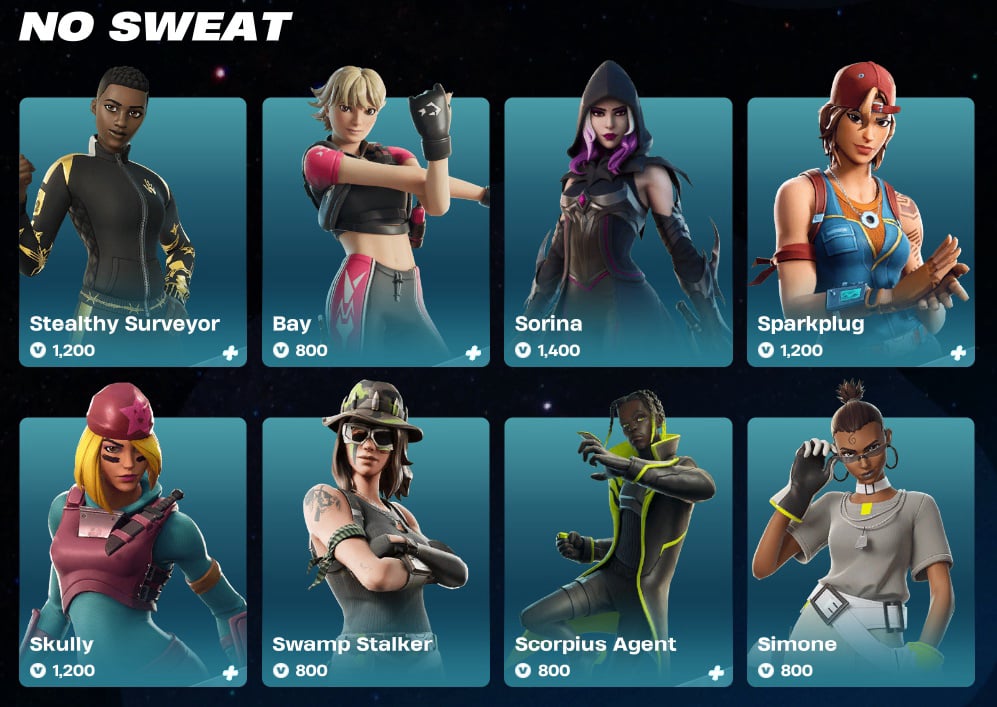
LockerSnow looks at Fortnite outfits by how they were released, when they appeared, and what styles they have. Rarity here means the story of access — not a score tied to any player or account. This is a static reference. No logins, no inventory scans, no live ownership database. Names and images simply point to the cosmetics being discussed.
Every cosmetic has a few separate pieces of information: its name, how it first came out, the times it showed up again, and any styles tied to it. None of that adds up to a verified owner count. A long stretch between appearances is just a gap in the record. A restricted style is just a specific way people could get it. Neither one tells you an exact percentage of players who own it.
The Item Shop, Battle Passes, and event rewards are different ways a skin can show up. The first appearance is the origin; later returns are part of the later history. A screenshot only shows one moment of the game, with its own UI and date. Images here are just examples of categories and scenes — not a live shop list or a full release timeline. An announcement about one drop doesn’t automatically cover every item pictured next to it. We keep stated facts separate from the unknowns. History of access, what you can see right now, and how something looks are treated as different things. No single detail is treated as the full measure of rarity.
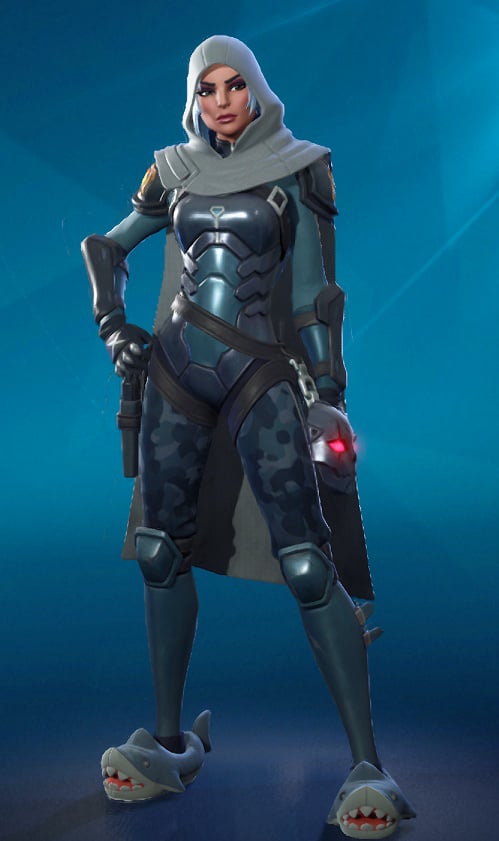
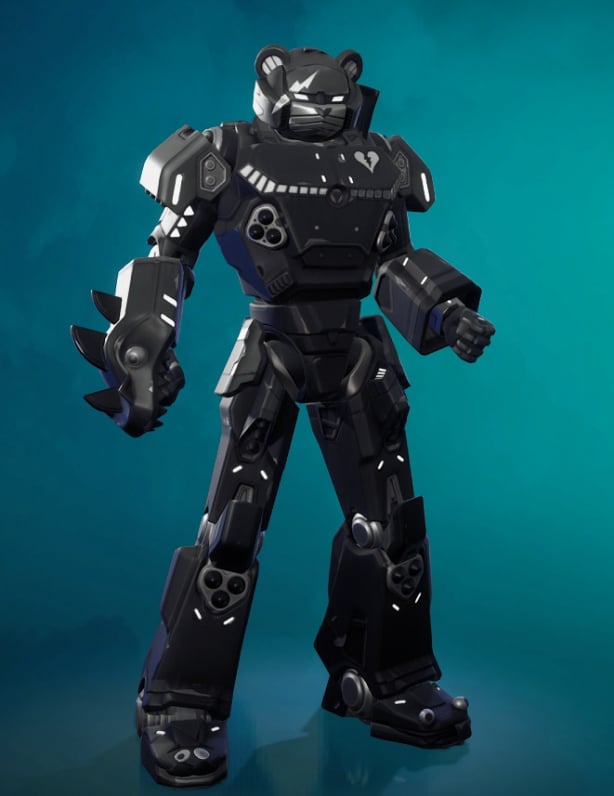
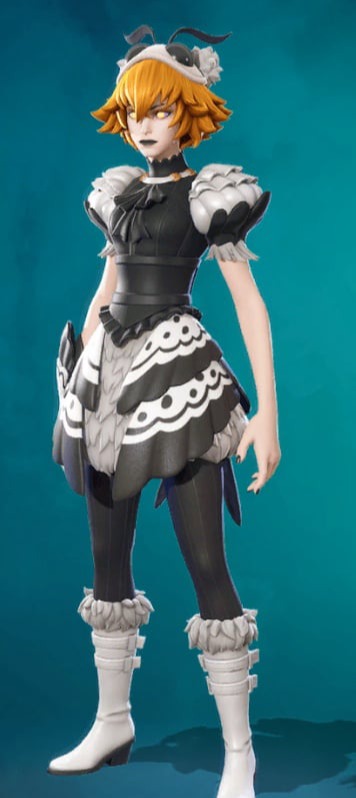
These images show different character designs from the collection. The names simply identify what’s pictured. Order in the row doesn’t mean a ranking. A base design and an alternate style stay separate when their access stories don’t match.
Drift
Omega
Lace
Release context
The original drop and a later return are two different events. On December 20, 2024, Epic announced that Renegade Raider and Aerial Assault Trooper were coming back in the OG Season Shop. That belongs in their availability history. The fact that they first appeared in 2017 doesn’t by itself describe every later chance to get them.
Visual identity
An outfit is the base item. A style is a variation of that same item. Different clothes, colors, or extra details don’t automatically make a whole new outfit. If a style had its own rules for unlocking, it needs its own note. We keep those distinctions clear instead of treating every picture as a separate release.
Reading the record
A dated source only covers what that publication said at the time. It isn’t a claim about what’s in the shop today. Missing entries are just gaps in the record — not proof that something never appeared.
Release dates, appearance dates, and publication dates are separate things. To talk about a gap you need a clear start and end. We don’t show any auto-updating “days since last seen” counter.
There’s no verified count of how many people own any particular outfit or style. So the descriptions stay qualitative — no ownership percentages, no account valuations, and no guesses about when something might return.
This website uses only technically necessary cookies to ensure basic functionality and the correct display of the pages. No cookies are used for analytics, tracking, profiling, or advertising purposes.